Gentle Asana & Pranayama
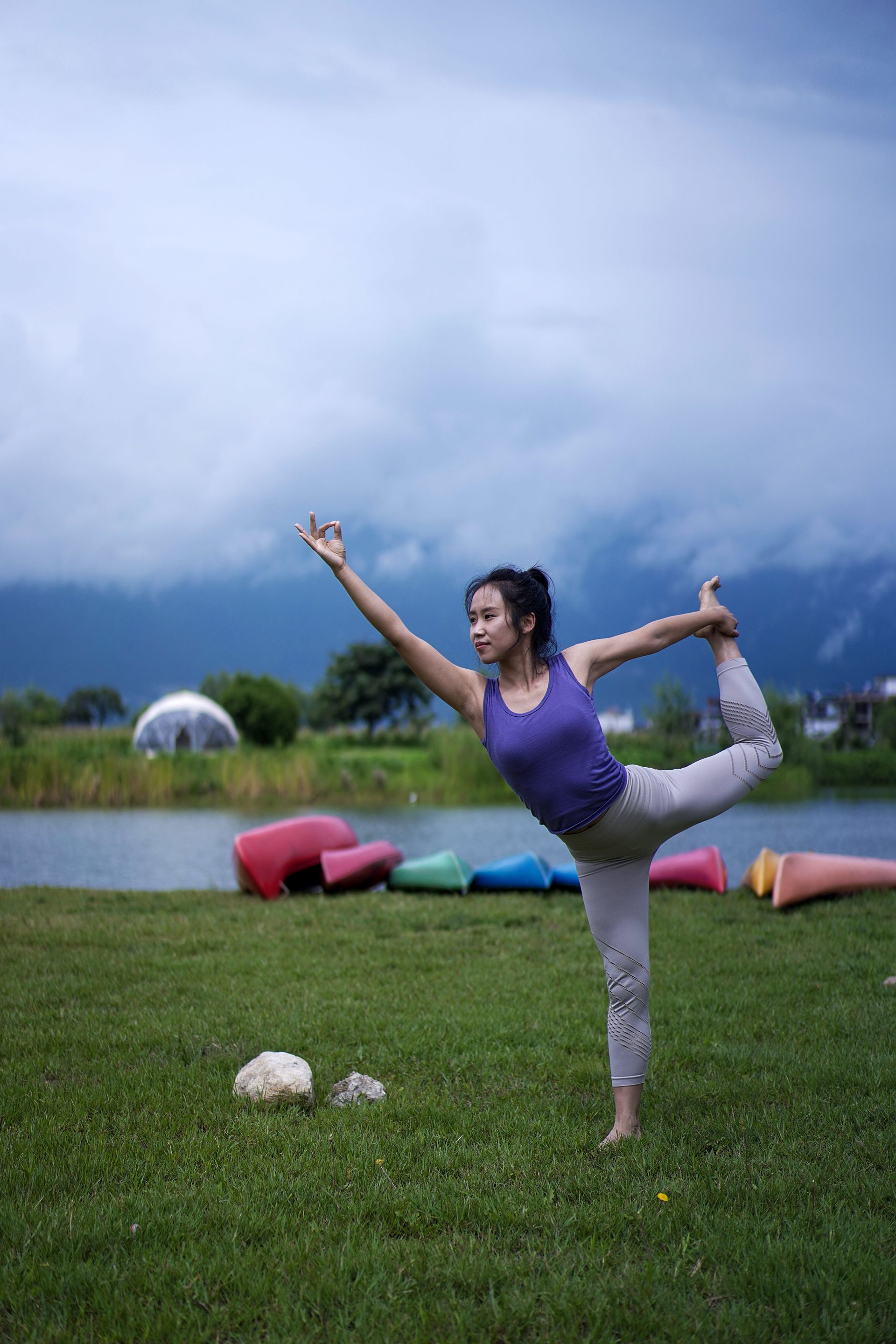
Gentle, alignment-aware postures prepare the spine, chest, diaphragm, shoulders, and respiratory system for comfortable seated pranayama practice.
Jonk Village, Rishikesh, Uttarakhand, India
info@sohamretreat.com
Restore through rest. Return to inner awareness.
| 2026 Dates | Course Fee |
|---|---|
| 14th - 23rd Dec | $850 (Private)/ $750 (Sharing) |
We often rest physically, but the mind continues to carry tension, unfinished emotions, memories, and inner activity.
This retreat is for those who wish to experience rest as a conscious practice — a way to soften the body, settle the nervous system, observe the mind, and reconnect with the deeper awareness within.
For those who sleep but do not always feel restored, or who find it difficult to release physical and mental tension completely.
For those experiencing stress, anxiety, emotional fatigue, burnout, or a continuous feeling of being alert, overwhelmed, or unable to switch off.
For yoga students, teachers, therapists, healers, and practitioners who want to refine their understanding of prana and bring greater clarity, sensitivity, and steadiness into their practice.
Yoga Nidra is often called yogic sleep, but it is not ordinary sleep.
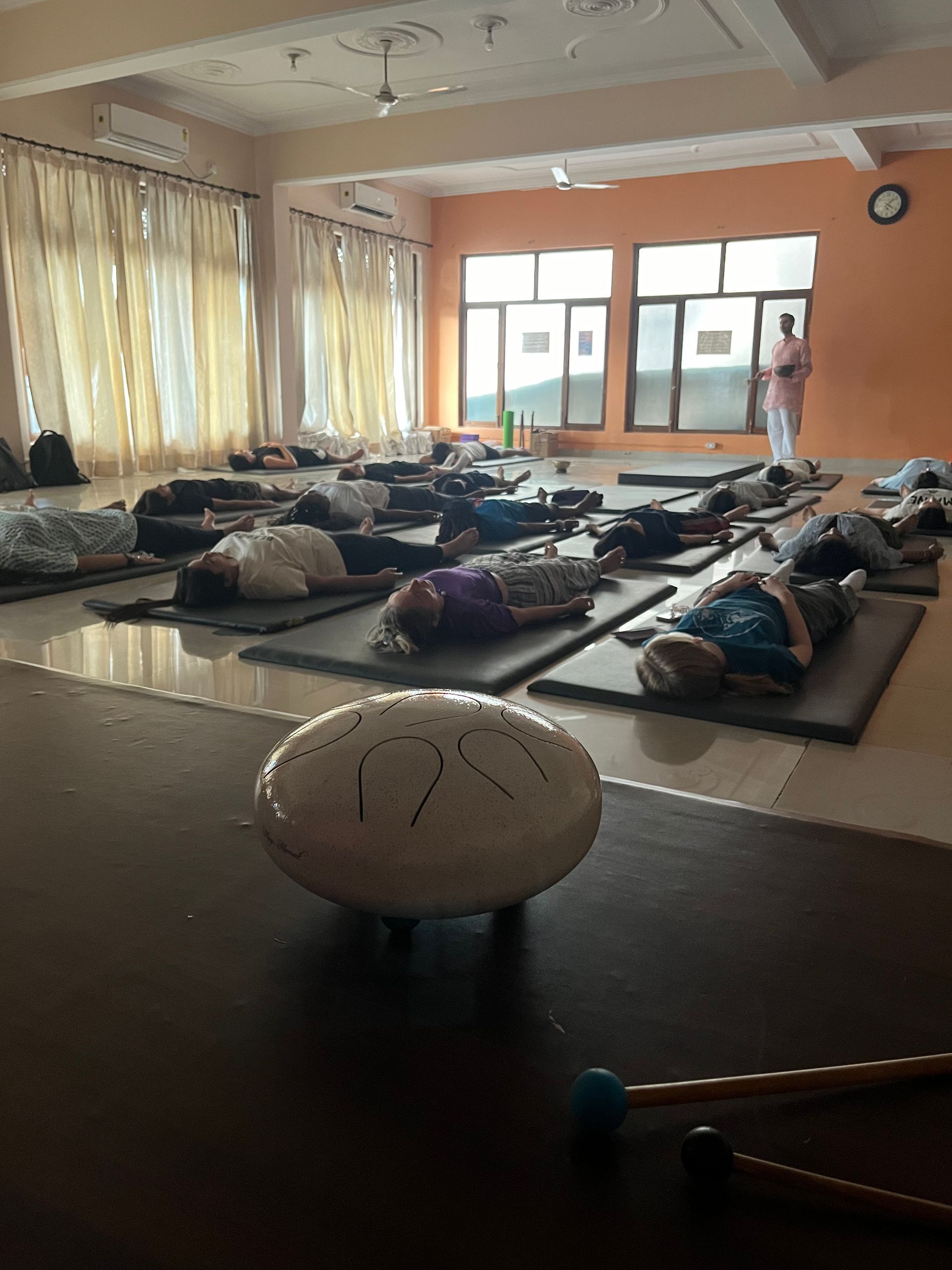
In Yoga Nidra, the body is guided into deep relaxation while a thread of awareness remains present. The practice moves through body awareness, breath, sensation, inner imagery, intention, and silence, helping the mind enter the space between waking and sleeping.
In this state, the body rests deeply, the nervous system begins to soften, and deeper layers of physical, emotional, and mental tension may gradually release.
Yoga Nidra does not ask you to force relaxation. It creates the conditions in which relaxation can arise naturally.
The retreat begins by preparing the body and establishing a sense of safety, stillness, and ease. From this foundation, Yoga Nidra is introduced through its classical stages and supported by asana, pranayama, meditation, philosophy, sound, and personal reflection.
The purpose is not to escape experience or simply fall asleep. It is to develop the capacity to rest consciously, observe the inner mind, release unnecessary tension, and remain present with greater clarity.
Gentle, alignment-aware postures prepare the spine, chest, diaphragm, shoulders, and respiratory system for comfortable seated pranayama practice.
Specific breathing techniques are introduced gradually to regulate prana, refine breath awareness, steady the mind, and support inner balance.
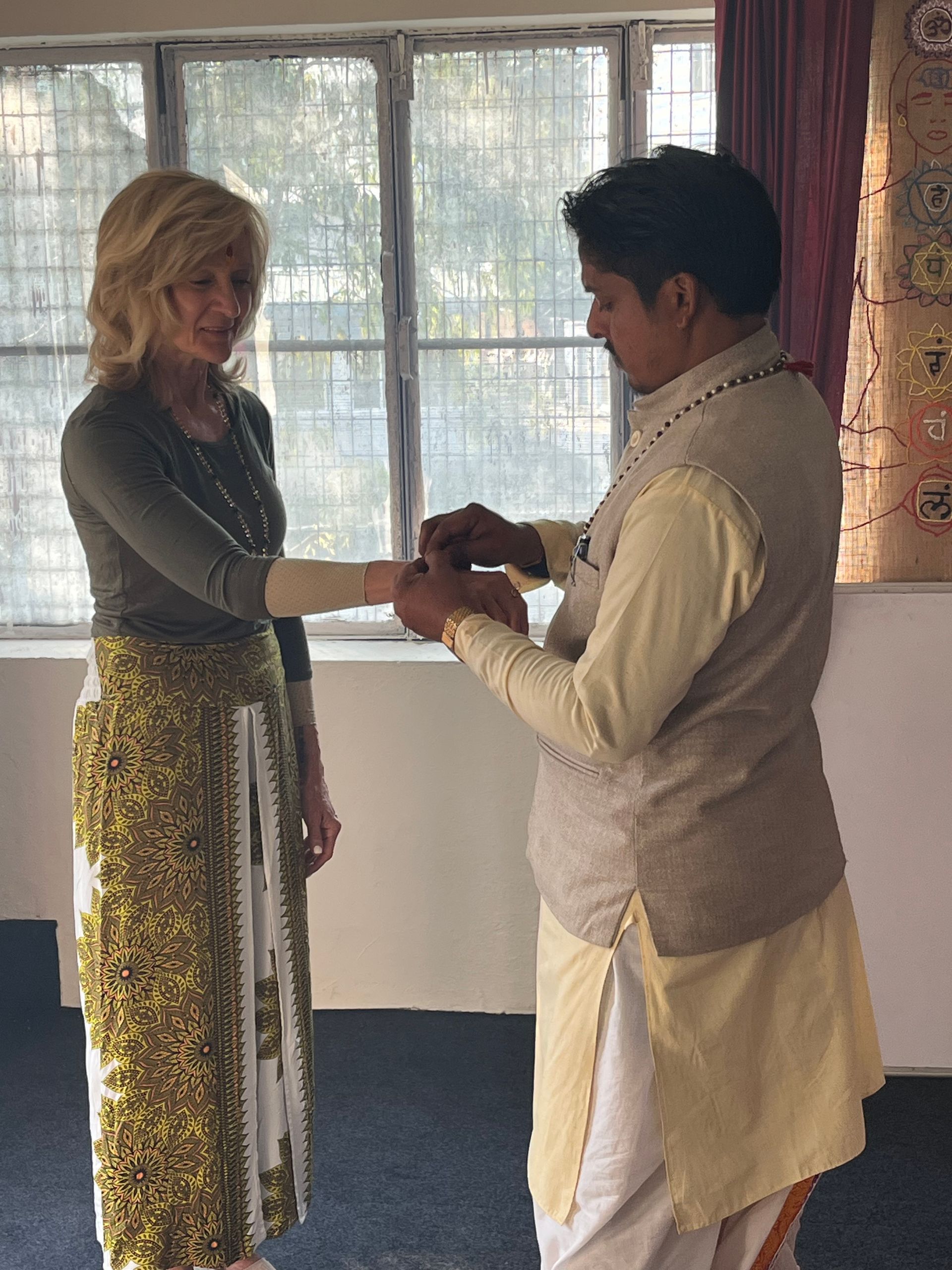
Sankalpa is a clear inner resolve introduced when the mind is quiet and receptive. It helps give direction to the deeper layers of awareness.
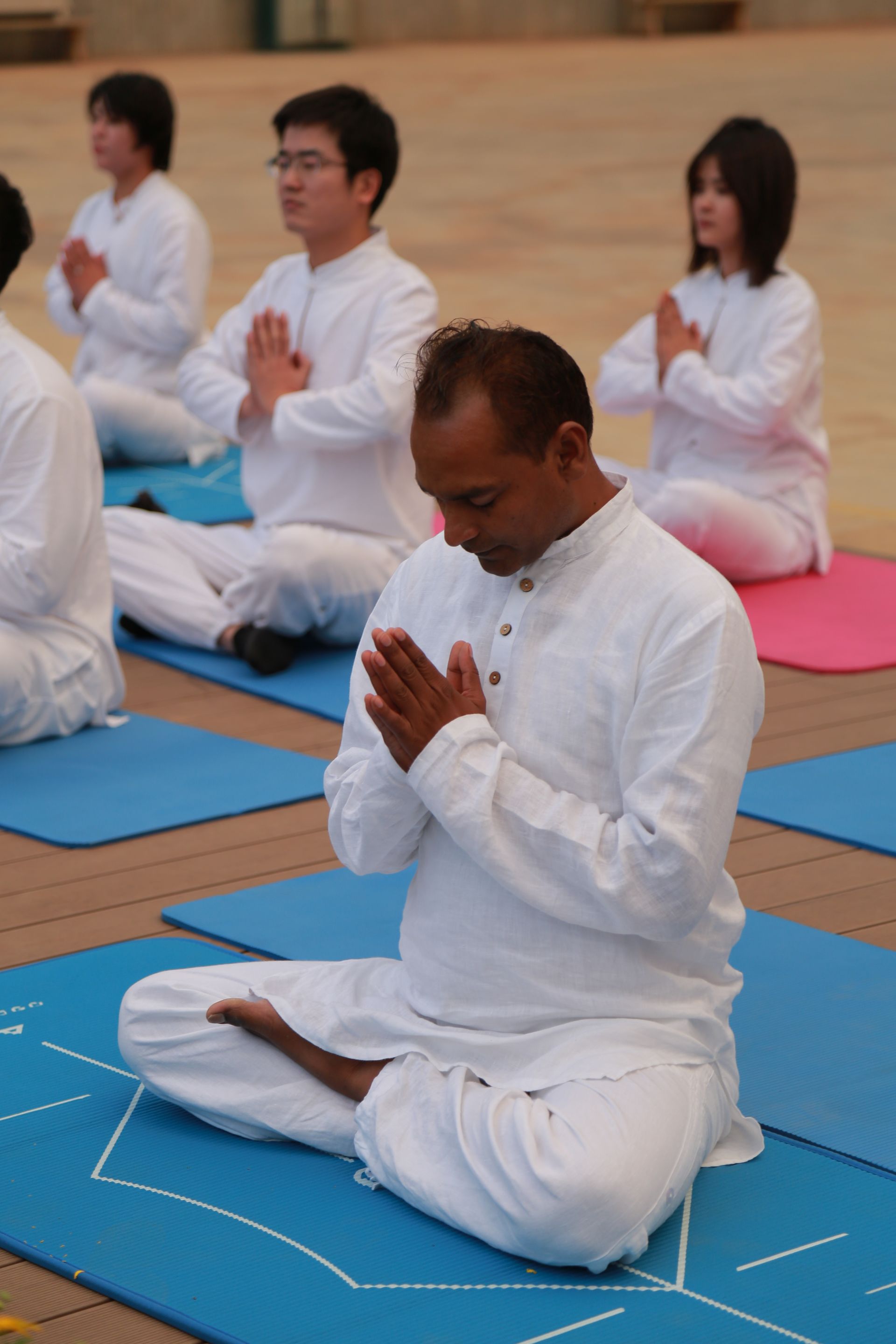
Guided meditation develops awareness of the relationship between breath, thought, emotion, and inner experience without forcing or suppressing what arises.
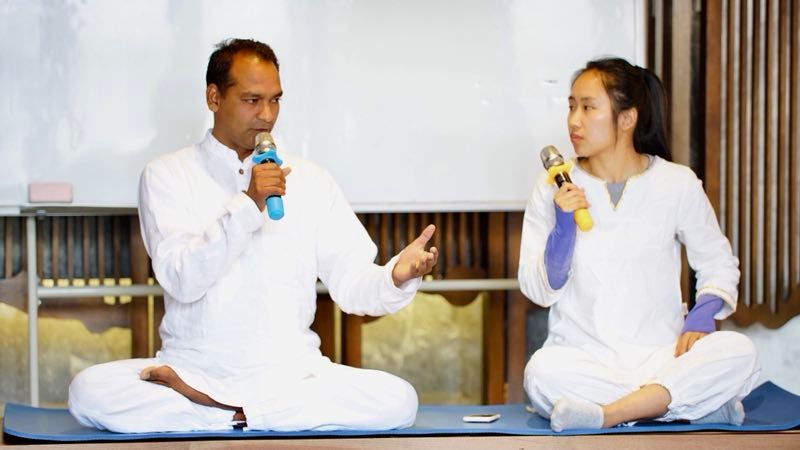
Yoga Nidra supports deep rest and nervous-system recovery, allowing the body and mind to absorb and integrate the effects of daily practice.
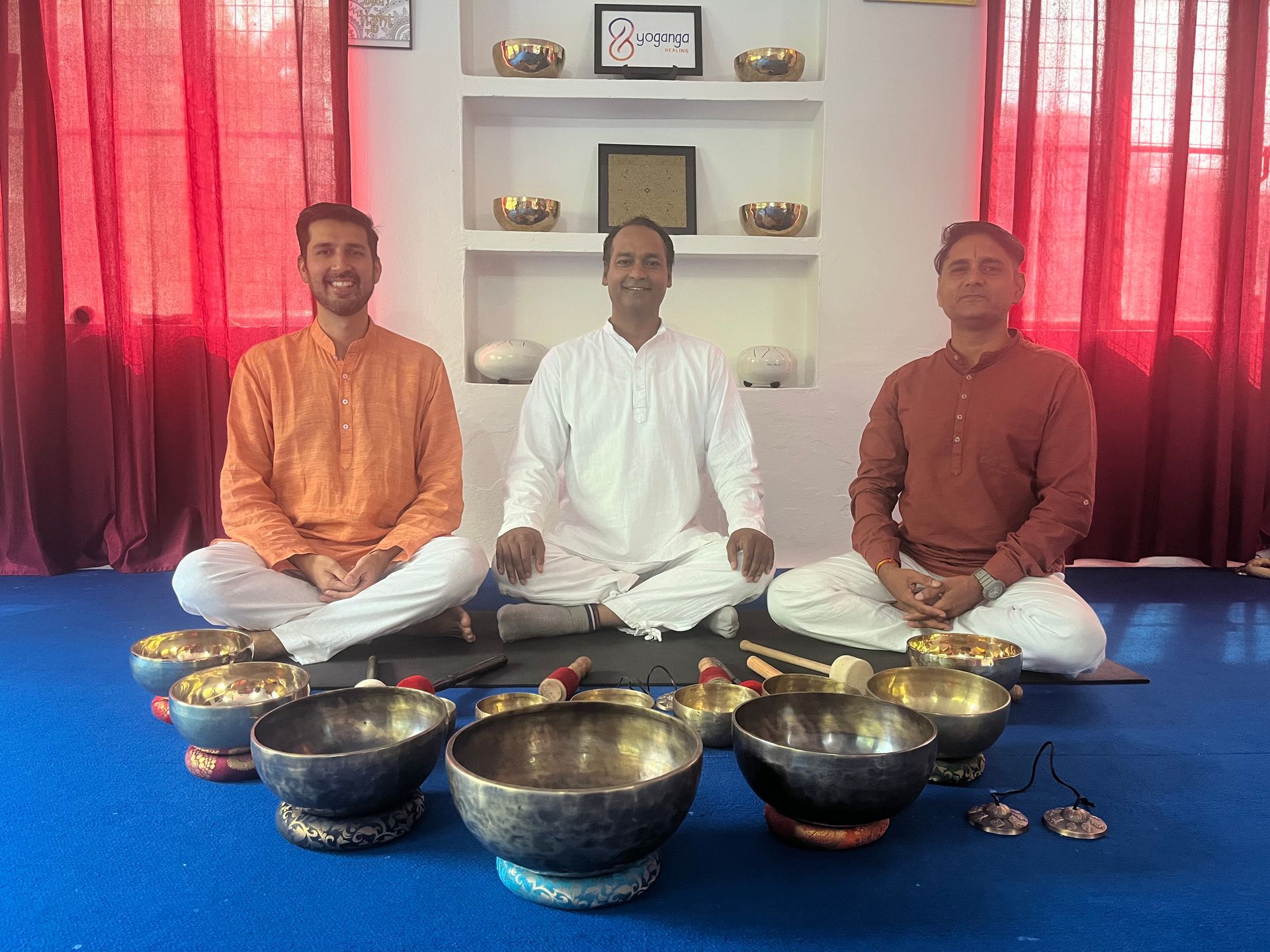
Sound healing supports deep listening, relaxation, and integration, while personal guidance helps each participant approach the practice according to their needs and capacity.
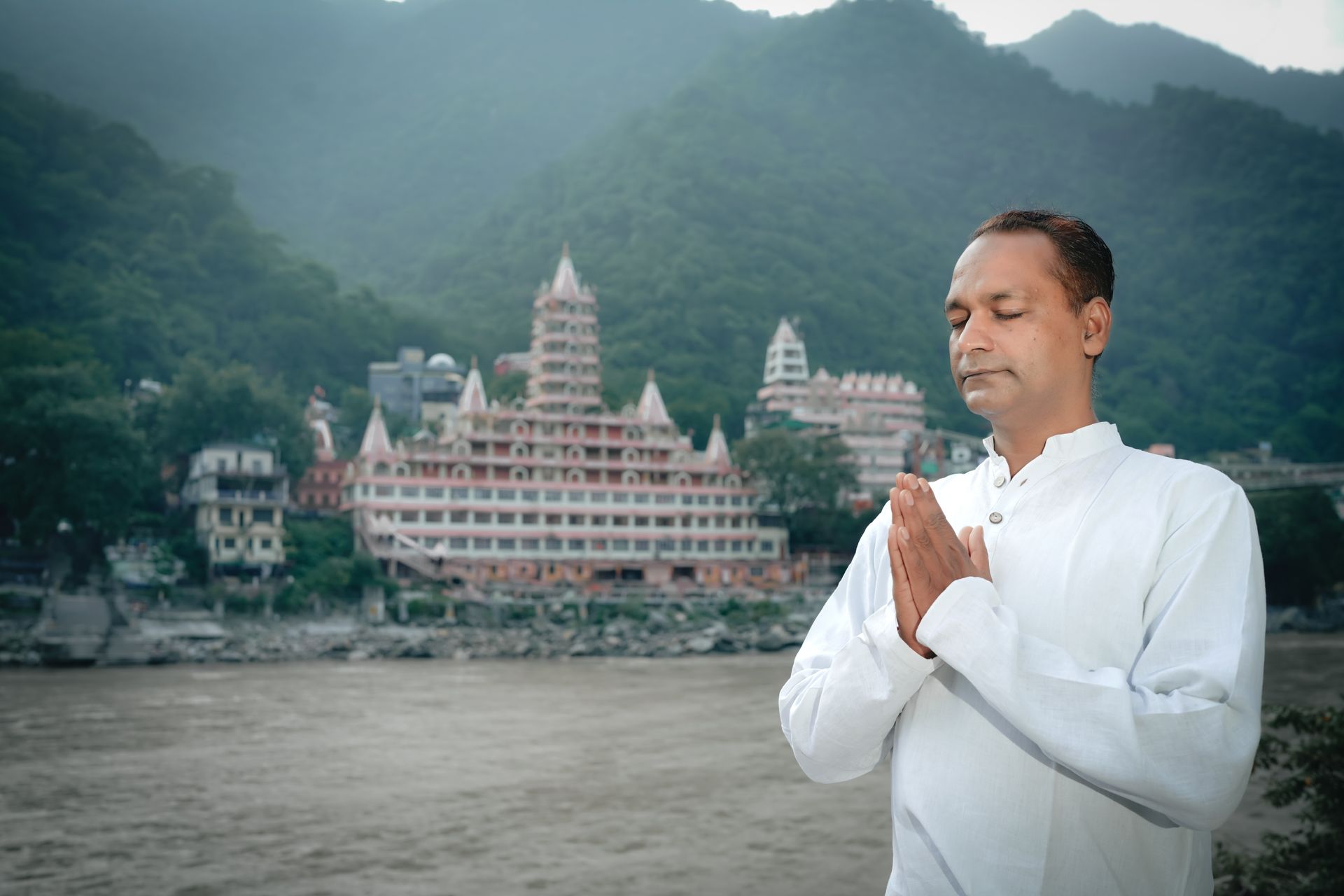
Sunil Sharma is the founder of Yoganga Healing and the guiding teacher of the Yoga Nidra Healing Retreat. His work brings together classical yoga, Yoga Nidra, meditation, pranayama, yogic philosophy, and psychological understanding. He does not teach Yoga Nidra as a simple relaxation technique, but as a complete inner practice that helps students understand the relationship between body, breath, nervous system, emotions, memory, and awareness.
His presence is calm, attentive, and deeply grounded. Rather than pushing students toward intense experiences, he creates a safe space where the body can soften, the mind can settle, and deeper layers of tension can be observed with care. Through his guidance, Yoga Nidra becomes a practice of conscious rest, inner listening, emotional release, and return to stillness.
mm
“Healing begins when we stop forcing ourselves and learn to listen.”
A Daily Rhythm of Breath, Practice, and Rest
The schedule may be adjusted slightly on some days for sound healing, the sacred excursion, or special sessions.
This retreat offers more than rest. Through yoga, pranayama, meditation, Yoga Nidra, healing practices, philosophy, and personal guidance, it supports deep restoration, emotional balance, and a renewed connection with yourself.

This retreat offers more than rest. Through yoga, pranayama, meditation, Yoga Nidra, healing practices, philosophy, and personal guidance, it supports deep restoration, emotional balance, and a renewed connection with yourself.
Systematic relaxation can help the body move out of prolonged tension and create conditions for deeper physical, mental, and emotional rest.
Yoga Nidra may help settle mental activity, release accumulated tension, and support a calmer transition into natural sleep.
The practice creates a safe inner space in which emotions can be noticed, felt, and understood with greater steadiness.
As mental activity slows, unnecessary inner noise may begin to settle, creating more space for concentration, perspective, and clear observation.
By the end of the retreat, you will receive guidance on how to continue Yoga Nidra, relaxation, breath awareness, and meditation safely at home.

After the retreat, students are invited to join the Yoganga Healing Circle, a WhatsApp community offering free monthly sessions on yoga, healing, breath, meditation, and inner work. You can also stay connected with Sunil Sharma via email or WhatsApp for guidance as you continue your practice.
We look forward to welcoming you and your community to Soham.
Namaste 🙏
Thank you for contacting us.
We’ll get back to you as soon as possible.
No. The retreat welcomes complete beginners as well as yoga teachers, therapists, healers, and experienced practitioners. Each practice is guided step by step.
No. During ordinary sleep, awareness is generally absent. In Yoga Nidra, the body rests deeply while a gentle thread of awareness is maintained.
The retreat’s Yoga Nidra, meditation, breathwork, and quiet daily rhythm may support deep rest, nervous-system regulation, and improved sleep. It is not a substitute for medical or psychological treatment.
The fee includes accommodation, three sattvic vegetarian meals daily, Yoga Nidra, asana, pranayama, meditation, philosophy, mantra, sound healing, course material, practice props, personal guidance, and retreat support.
Complete the registration form and choose your preferred room. A booking amount of $200 confirms your place. Our team will then share the next steps and payment details.